
Lionel Messi Weke Cornell Ownership Shakes Spanish Football
The football world is abuzz following reports confirming Lionel Messi’s full acquisition of Spanish fifth-tier club Weke Cornell. This seismic move instantly transforms a quiet, respected youth academy into a global talking point, signaling a significant shift in elite footballers’ engagement with the sport beyond their playing careers. Daljoog News analysis indicates this reflects a
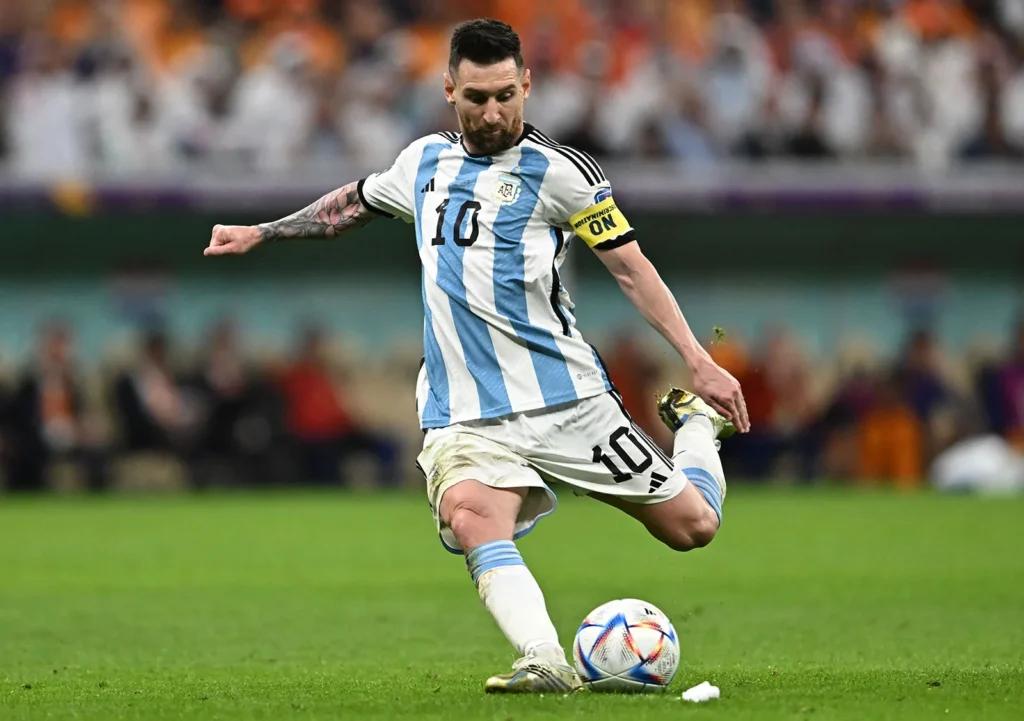
The football world is abuzz following reports confirming Lionel Messi's full acquisition of Spanish fifth-tier club Weke Cornell. This seismic move instantly transforms a quiet, respected youth academy into a global talking point, signaling a significant shift in elite footballers' engagement with the sport beyond their playing careers. Daljoog News analysis indicates this reflects a growing trend where top athletes invest directly in grassroots development, recognizing the critical importance of long-term talent building alongside on-field legacy. The announcement has already begun to refocus attention on the club's future, sparking heightened expectations around youth development, international visibility, and broader interest in its operations.
Founded in 1951, Weke Cornell has long operated outside the major European football spotlight but has earned a strong reputation for cultivating technically skilled young players within its local development structure. Junior team coach Adrian Monterro notes the immediate impact of Lionel Messi Weke Cornell ownership, reporting increased attention from families, scouts, and the wider local football community. Parents of academy players have expressed profound excitement and surprise, highlighting how children are now significantly more motivated by the prospect of training in a club directly owned by one of football's all-time greats. The academy's prior success in contributing players to higher levels of European football already solidified its status as a developmental hub, a reputation now exponentially amplified by Messi’s involvement.
Lionel Messi Weke Cornell ownership represents a pioneering model for how global football icons can directly influence the sport's infrastructure. This type of high-profile investment holds the potential to instantaneously elevate smaller clubs, improving critical infrastructure, attracting lucrative sponsorships, and granting unprecedented global visibility. Sports analysts believe such athlete-led involvement often provides both crucial financial stability and invaluable international recognition, capable of transforming lower-division clubs into serious, consistent talent pipelines. Club insiders confirm that young players are already demonstrating elevated motivation levels, as the direct association with Messi injects an unparalleled sense of prestige and ambition into their daily training environment.
This transformation, however, is not without its challenges. Small clubs can struggle under the sudden weight of global scrutiny and rapidly escalating expectations, especially if infrastructure development lags behind newfound ambitions. The critical task will be to strike a delicate balance: preserving the club’s established identity and community focus while strategically adapting to international attention and higher aspirations. Yet, the opportunity remains immense. If meticulously managed, Lionel Messi Weke Cornell ownership could evolve a modest academy into one of Europe’s most closely watched youth development sagas. Observers will also keenly watch for any direct involvement from Messi, such as mentoring sessions or club visits, which could further amplify the project’s global reach and long-term success.
Iran World Cup 2026 Spot Secured by FIFA Despite Tensions
Neymar Transfer Rumors Grow Amid Santos, MLS Tension
Chelsea’s Europe Race Faces Collapse Amid Fierce Run-In

Konaté Shines as Liverpool Crash Out to PSG in UCL Exit

Western firms linked to global illegal betting networks

McIlroy Defends Masters Title in Dramatic Augusta Finish
