
US Iran Tensions Escalate: Ship Seized, Talks Uncertain
Tensions between the United States and Iran have sharply escalated following the US Navy’s interception and seizure of an Iranian-flagged cargo ship, the Touska, in the Gulf of Oman. According to President Donald Trump, the vessel refused warnings and was stopped by “blowing a hole in the engine room,” bringing it under US custody. The
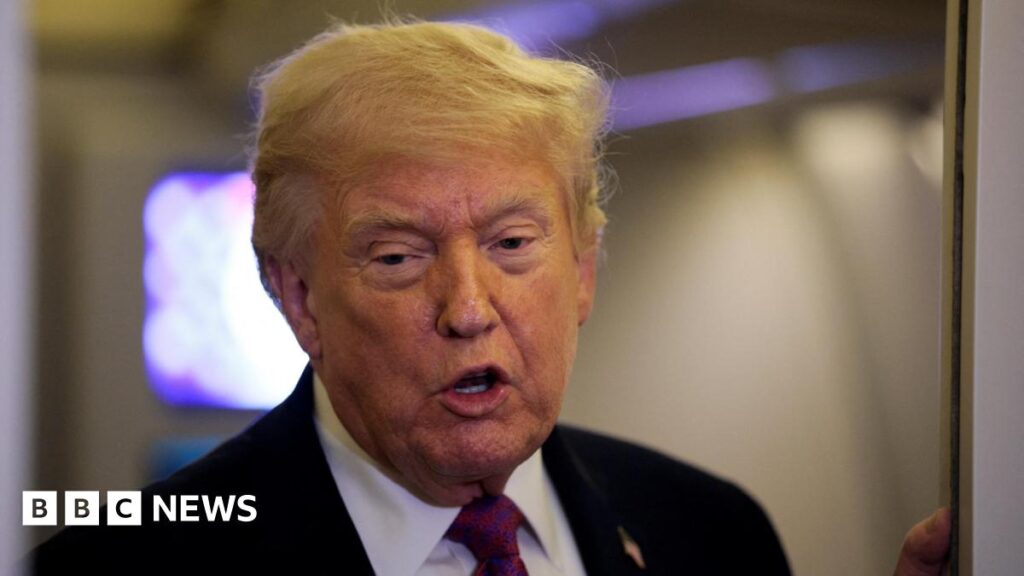
Tensions between the United States and Iran have sharply escalated following the US Navy's interception and seizure of an Iranian-flagged cargo ship, the Touska, in the Gulf of Oman. According to President Donald Trump, the vessel refused warnings and was stopped by "blowing a hole in the engine room," bringing it under US custody. The Touska, sanctioned by the US Treasury, was reportedly carrying cargo and attempting to bypass a US blockade of Iranian ports. This forceful action marks a significant heightening of military confrontation in the region, drawing immediate global attention to the volatile maritime situation.
Amidst this military development, diplomatic efforts appear to be in disarray. Trump announced that a US delegation, led by Vice-President JD Vance and including Jared Kushner and Steve Witkoff, would return to Pakistan for negotiations on Monday. However, Iran's state media swiftly countered these claims, stating Tehran has "no plans for now to participate" in the talks, citing the naval blockade, ceasefire violations, and US threatening rhetoric as obstacles. While no named Iranian official has definitively confirmed or denied participation, the conflicting reports underscore deep mistrust and a precarious path forward for diplomacy.
The strategic Strait of Hormuz remains a focal point of contention. While two TUI cruise ships reportedly navigated the strait successfully after "relevant coordination and approvals," MarineTraffic data showed very little movement, with Iran maintaining the waterway remains closed. Adding to the complexity, an Iranian MP revealed a parliamentary proposal to manage the Strait of Hormuz under a new legal framework, potentially involving transit fees to compensate for war damage. US Ambassador to the UN Mike Waltz also defended Trump's threats to strike Iranian infrastructure, including power plants and bridges, if a deal isn't reached, arguing these could be "legitimate military targets" if run by the IRGC.
Regional leaders and Iranian officials are reacting strongly. Israeli Prime Minister Benjamin Netanyahu emphasized ongoing "battle against the great tyranny of Iran" with the US, expecting new developments. Pakistan's Prime Minister Shehbaz Sharif engaged in "detailed exchanges on the current regional situation" with Iran’s President Masoud Pezeshkian, but his statement omitted details about further US-Iran talks. Meanwhile, Iranian MP Mahmoud Nabavian warned of a "renewed military operation" against Iran and vowed retaliation against US, regional energy infrastructure, and Israeli interests if an attack occurs. The situation remains highly fluid, with significant uncertainty surrounding both military actions and the prospects for any meaningful diplomatic engagement.
Ukraine Police Chief Resigns Over Kyiv Shooting Inaction

New Glenn Upper Stage Failure Mars Blue Origin’s Success
Lena Dunham Details Adam Driver’s ‘Aggressive’ Outbursts On ‘Girls’ Set

Maya Jama Transforms: Sexy Weather Girl & 80s Newsreader Ad

Free-Range Chickens Return Outdoors After Bird Flu ‘Flockdown’
Remote Working Tribunals UK See First Drop Since Covid
